WebCrims Defendant Search provides a fast way to check criminal cases across New York. Users can search by full name or case number to get accurate results. This tool connects directly to the NY Unified Court System, ensuring records are official and up-to-date. A defendant lookup WebCrims shows filing dates, court locations, and case status. Many people rely on it for personal, professional, or research purposes. With WebCrims Defendant Search Instructions, the process becomes simple and straightforward.
WebCrims Defendant Search helps users find public court records efficiently. Searching by name on WebCrims reveals active and historical criminal cases. The system covers all counties in New York through the New York court lookup system. Users can confirm legal matters without visiting multiple court websites. This tool supports lawyers, employers, and researchers who need verified case information. Performing a search by name WebCrims delivers accurate results quickly and safely.
What Is the WebCrims Defendant Search?
The WebCrims Defendant Search is a name-based tool for checking criminal cases in New York. It allows users to find defendants, track case status, and access public filings quickly. WebCrims is maintained by the NY Unified Court System, making it the official source for statewide criminal court records. Unlike unofficial websites, it provides direct access to verified information from public court records, ensuring accuracy for legal, professional, or personal use.
How It Differs from Other Searches
WebCrims offers several search options:
- Name-based search – Focuses on the individual’s first and last name to pull up related criminal cases.
- Case ID search – Useful if the case number is already known, showing specific case details.
- Calendar search – Provides upcoming court dates and scheduled hearings.
While a criminal defendant search NY looks specifically at individuals involved in cases, other searches may focus on case timelines or general filings. This distinction helps users choose the most relevant method.
Public vs. Login Sections
- Public section – Open to all users, allowing access to basic defendant information and case status.
- Login section – Restricted to court personnel or attorneys for detailed records, sensitive documents, or filing access.
For general users, the name-based search in the public section covers most needs. It is a straightforward way to check who is involved in criminal proceedings without special permissions.
Steps WebCrims Defendant Search Instructions
Performing a WebCrims Defendant Search is straightforward when following a few clear steps. Users can efficiently locate defendant information, case status, and official filings using the official system.
For official access, visit the NY Unified Court System WebCrims portal: https://iapps.courts.state.ny.us/webcrims/
Prepare the Search
Before starting, gather key details for the defendant lookup WebCrims:
- Full or partial names – Enter first and last names. Partial names may help if spelling is uncertain.
- Spelling accuracy – Even a single letter difference can affect search results.
- Name order – Use “Last Name, First Name” format if prompted.
Preparation improves search accuracy and reduces irrelevant results. Keeping alternate spellings in mind is helpful, especially for common last names.
Go to the Official WebCrims Portal
To begin:
- Open https://iapps.courts.state.ny.us/webcrims/.
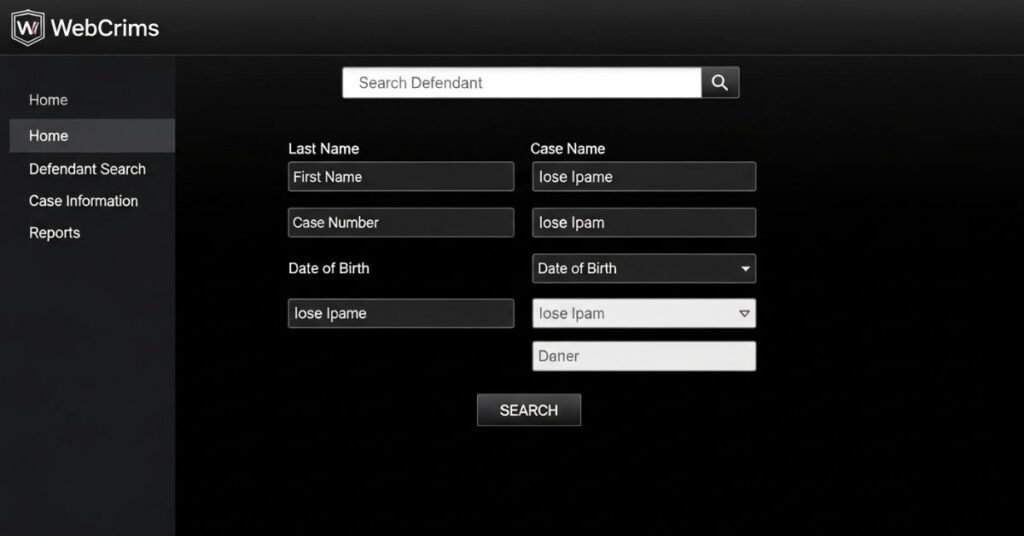
- Select “Defendant Search” from the menu.
- Look for prompts guiding you to enter names and optional filters.
Fill in Search Fields
When completing a search by name WebCrims, follow these tips:
- Last name is required – The system indexes primarily by surname.
- First and middle names – Adding these narrows results, especially for common surnames.
- Filters – Optional selections include:
- County
- Court type (Criminal, Traffic, etc.)
- Date range of filings
These filtering options improve the precision of the results, helping users locate the correct case faster.
Interpret Your Results
After submitting a search, results appear in a table with the following columns:
| Column | Description |
|---|---|
| Case Number | Unique identifier for the case |
| Defendant Name | Full name of the individual |
| Charges | Listed offenses |
| Status | Active, Closed, or Pending |
| Court Location | County and court type |
Rows are clickable if users need additional details, such as court filings or hearing dates. Understanding the layout ensures users can quickly identify the relevant information.
Why Use WebCrims Court Calendar Search
WebCrims Court Calendar Search provides an easy way to view criminal court schedules in New York. It is used by a wide range of people to track hearings, monitor daily dockets, and stay updated on upcoming court events. The platform can be accessed officially at https://iapps.courts.state.ny.us/webcrims/.
Who Uses WebCrims and Why
Defendants tracking hearings: Individuals facing criminal charges rely on WebCrims to check their court appearance date. Staying informed prevents missed hearings, fines, or warrants.
Attorneys planning calendars: Lawyers use the system to organize multiple client schedules, plan motions, and coordinate trial dates. This ensures they can efficiently manage overlapping cases without conflicts.
Families checking schedules: Family members often use WebCrims to stay aware of court proceedings for loved ones. Accessing the NY criminal court calendar online saves time and reduces the need for repeated calls to court offices.
Researchers and journalists monitoring cases: Legal analysts, reporters, and academics track case outcomes, daily dockets, and judge assignments for research, publications, or reporting purposes.
Avoiding Missed Dates and Consequences
Missing a scheduled hearing can have serious legal repercussions. WebCrims allows users to:
- Confirm upcoming hearings
- Check the criminal court schedule NY for changes
- Avoid penalties or bench warrants due to missed appearances
By referencing the platform regularly, defendants and attorneys can stay compliant and organized.
Monitoring Adjournments
Court dates are sometimes rescheduled due to judicial availability or procedural delays. WebCrims provides updated docket entries to track:
- Adjournments and continuances
- New hearing dates
- Changes in courtroom assignments
This helps attorneys, defendants, and families adjust plans without confusion or delays.
Preparing Evidence and Witness Schedules
Lawyers and defendants can also use WebCrims to prepare for hearings effectively:
- Coordinate witness availability with the hearing schedule
- Plan evidence submissions according to upcoming court dates
- Organize case strategy based on daily docket updates
How to Interpret Defendant Search Results
After completing a WebCrims defendant search, users encounter a case results page that summarizes all relevant information. Understanding each section ensures accurate interpretation of legal data and scheduled proceedings.
Case Number Meaning
Each case listed includes a docket number, which uniquely identifies the case in the NY Unified Court System. This number is essential for:
- Referencing cases in court filings
- Verifying case details
- Tracking progress across different courts
The case number typically combines the year, court code, and sequence number, making it distinct from other cases.
Charge Descriptions
Charges provide a detailed description of the alleged offenses. Users can see:
- Misdemeanor or felony classification
- Specific statute or code violation
- Additional notes such as multiple counts
This section helps users quickly understand the legal context of the case without needing full documents.
Arraignment and Hearing Dates
The arraignment date marks the first court appearance where the defendant enters a plea. Additional hearing dates may appear for pre-trial motions, conferences, or trial dates. Key points:
- Scheduled court appearances are listed chronologically
- Dates may include times and courtrooms
- Missing or outdated dates may require checking with the court directly
Court Location
The court location identifies the specific county and court handling the case. This includes:
- County name
- Court type (Criminal, Traffic, etc.)
- Room or building information when available
Knowing the exact location ensures defendants and attorneys attend the correct venue.
Next Court Appearance
The next court appearance section provides upcoming hearings or sessions. Users can:
- Track upcoming obligations
- Plan attendance for themselves or legal representatives
- Note changes in scheduling
Case Status
Each case includes a status indicator, which may show:
- Open – Active case with pending actions
- Adjourned – Hearing or trial postponed
- Disposed – Case closed by judgment, dismissal, or plea
New York City Criminal Courts Locations
WebCrims includes criminal case records from all five NYC boroughs: Manhattan, Bronx, Brooklyn, Queens, and Staten Island.
Manhattan Criminal Court
100 Centre Street, New York, NY 10013
Bronx Criminal Court
215 East 161st Street, Bronx, NY 10451
Brooklyn (Kings) Criminal Court
120 Schermerhorn Street, Brooklyn, NY 11201
Queens Criminal Court
125‑01 Queens Boulevard, Kew Gardens, Queens, NY 11415
Staten Island (Richmond) Criminal Court
67 Targee Street, Staten Island, NY 10301
Midtown Community Court (NYC Alternative Court)
314 West 54th Street, New York, NY 10019
Long Island District Courts
These courts also contribute criminal case information to WebCrims.
Nassau County District Court
99 Main Street, Hempstead, NY 11550 (primary Nassau District location)
Suffolk County First District Court
100 Center Drive, Riverhead, NY 11901
Other Participating Counties (Ninth Judicial District & Erie)
WebCrims indexes criminal cases from several upstate counties via their Supreme or County Courts.
Westchester County Supreme Court (Criminal Term)
111 Dr. Martin Luther King Jr. Blvd, White Plains, NY 10601
Rockland County Court
1 Monk Road, New City, NY 10956
Orange County Court
285 Main Street, Goshen, NY 10924
Putnam County Court
40 Gleneida Avenue, Carmel, NY 10512
Dutchess County Supreme Court
10 Market Street, Poughkeepsie, NY 12601
Erie County (Buffalo)
Erie County Supreme County Courthouse,
25 Delaware Avenue, Buffalo, NY 14202
FAQ – Target Key Questions
Here are answers to the most common questions about using the WebCrims defendant search. These help users understand system limitations, legal access, and data accuracy.
Can I find every criminal case in NY on WebCrims?
WebCrims provides access to most public criminal court records in New York. However, not all cases may appear, particularly if they are sealed, confidential, or handled in specialized courts. Users should view WebCrims as a reliable source for official court records, but it may not cover every single filing statewide.
What if the case doesn’t appear?
If a criminal defendant search NY returns no results, consider:
- Checking spelling and name variations
- Using only last names or partial names for broader results
- Confirming the correct county or court type
- Some recent cases may take time to upload
These factors often explain why a case may not appear immediately
Can I access full documents?
WebCrims provides case summaries, including charges, status, and hearing dates. Full legal documents, such as complaints or motions, may require direct contact with the court. This ensures sensitive information remains secure while the public can still access essential defendant lookup WebCrims data.
How up-to-date is the data?
The system updates daily, reflecting filings and hearings recorded by the NY Unified Court System. While updates are frequent, some information may lag slightly depending on court processing times. Checking regularly ensures the most accurate results.
Is using WebCrims legal?
Yes. WebCrims is maintained by the NY Unified Court System and provides official court records to the public. Using it for personal research, employment checks, or legal purposes is fully authorized. Users should respect privacy laws when handling sensitive information.